This is not the front page

video

vid·e·o

/ˈvidēō/

Noun

The broadcasting of moving visual images, typically accompanied by audio and often used to demonstrate, illustrate or communicate ideas that are difficult to describe by text and graphics alone. There are many tools available to us to create, store and broadcast digital videos.
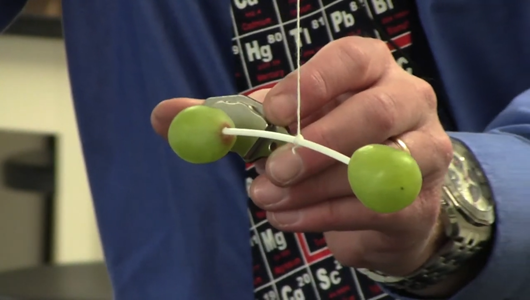

Using Videos to Explain Complex Information

close up of 2 grapes on a tooth pick suspended from a rope

Credit: © Penn State is licensed under CC BY-NC-SA 4.0 

When it comes to learning, there is no “one size fits all” approach. So for your online, hybrid, or residential course, it is important to incorporate a range of modalities so that students have multiple ways to engage and learn. For example, in addition to lectures, group discussions, and other collaborative activities, leveraging videos to explain complex material is especially effective.

Using Multimodal Instruction to Enhance Student Understanding

icons: music note, puzzle piece, image, camera, book, graph

Credit: © Penn State University is licensed under CC BY-NC-SA 4.0

Multimodal Instruction is just what its name suggests; it provides multiple modes of instruction, including verbal, graphic, numeric, or multimedia, to expose students to the same concept repeatedly. Multimodal instruction enhances learning in two ways: first, by allowing students to experience learning in the way they are most comfortable, and second, by challenging students to experience and learn in other ways (Picciano, 2009).

Building Student Engagement with Faculty Presence Using Video

man standing with oil tanks in the background

Credit: © Penn State is licensed under CC BY-NC-SA 4.0

Research shows that faculty presence and perceived connection in an asynchronous, online course can increase student satisfaction, motivation, and retention and reduce student feelings of isolation and confusion. Including weekly video announcements and/or lesson introductions is one way to accomplish this.