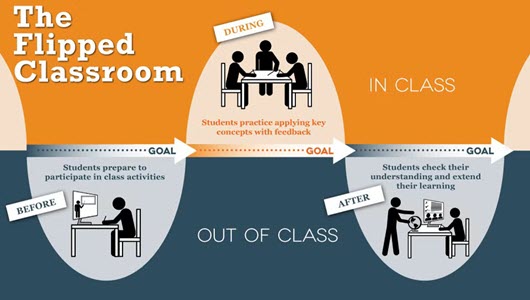
A flipped classroom is a teaching approach where students engage with new material outside of class (e.g., through video lectures or readings) and then use class time for active learning and application of that knowledge.
Credit: Microphone by B. Milaylov and licensed for free use by Unsplash. Accessed February 18, 2026.
In an inclusive classroom, all students—regardless of ability—should have equal access to learning. This includes ensuring that students with hearing impairments or communication challenges can fully engage with course content and discussions. Simple strategies to enhance auditory accessibility not only foster a more inclusive environment but also support Diversity, Equity, Inclusion, and Belonging (DEIB).
Flipping the classroom is an instructional model that calls for traditional lecture content to be delivered asynchronously outside of class, often through interactive online content, videos, and readings (Bergmann, J., & Sams, A., 2012). This allows the synchronous, in-class time to be dedicated to active learning activities such as discussions, problem-solving exercises, labs, or group work. (Lage, M. J., Platt, G. J., & Treglia, M., (2000).
A flipped classroom requires that students engage with course materials before class and then use class time for active learning activities and opportunities for deeper engagement with the content and each other. Begin by introducing students to the flipped classroom model, providing clear expectations, and discussing the roles both they and you will play.
Credit: Pxhere is licensed under CCO, Accessed Feb. 16, 2026
A flipped classroom requires students to engage with course materials before class and then use class time for active learning activities and opportunities for deeper engagement with the content and each other. Begin by introducing students to the flipped classroom model, providing clear expectations, and discussing the roles both they and you will play.