a system of learning that requires students to be actively engaged in constructing their own knowledge and learning through discussions, problem-solving, case studies, and other methods.
The one-minute paper is an assessment strategy that can be used to evaluate what students have learned and what they are struggling with. Students are asked two to three questions about a lecture, video, lab, field trip, discussion, or any other activity, and are given one minute to write their response. The questions should encourage students to consider what was most significant, surprising, important, disturbing, or useful, and what was unclear or difficult to understand.
Reciprocal Questioning is a strategy that promotes critical thinking while increasing student engagement with one another and with the course material. Students work in small groups to discuss course material, or a portion of the course material, like a video. They discuss where they need further clarification or more information. Then a group representative shares the questions with the instructor and the instructor's Docsanswers benefit the entire class.
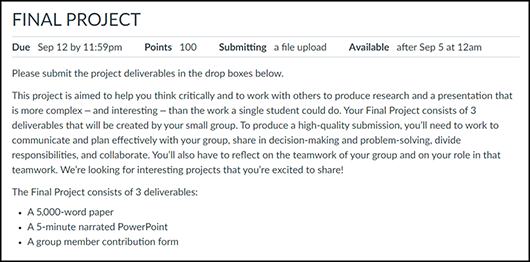
The final project in GEOSC 107N: Rocks, Minerals, and the History of Art is a small group case study that requires students to work together to research a naturally occurring material, used in either its natural or processed form, to create works of art or architecture in history. Case studies promote critical thinking and help students to contextualize course content.
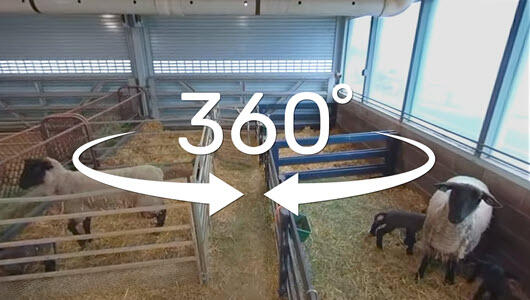
Veterinary and biomedical students are asked to watch a video of walking through a barn and to list the best practices for animal welfare and farm management shown in the video. They are also asked to list items that need to be improved. This offers a way to expand student experiences and allows them to practice evaluating without the time and expense of traveling. Further, this practice protects the biosecurity of the farm locations.
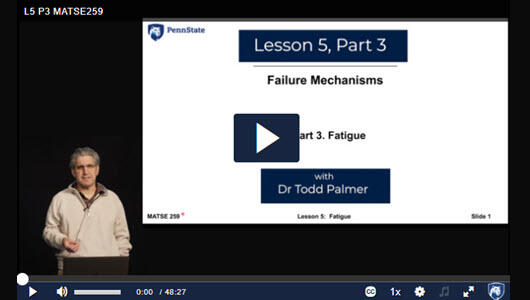
A presentation recorded in the studio produces a polished resource that can be used to share knowledge and content and provide an opportunity for students to review the material as often as needed to ensure comprehension. Professor Todd Palmer has recorded all his lectures for a course on Materials Science. Viewers can see the presentation and the instructor along with the laser pointer motion directing student attention.
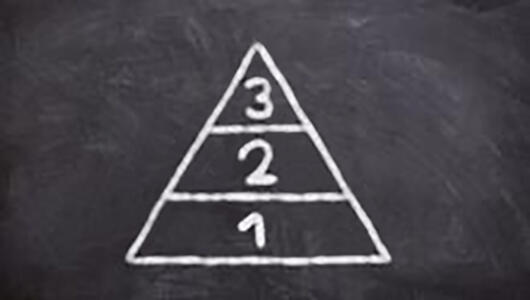
The 3-2-1 method is a student-centered formative assessment activity that can be used to gauge student understanding of course material and determine where students might need additional support. Students are asked to consider a lesson, video, lab, etc., and respond by describing three things they learned, two things they found especially interesting, and one question they still have.
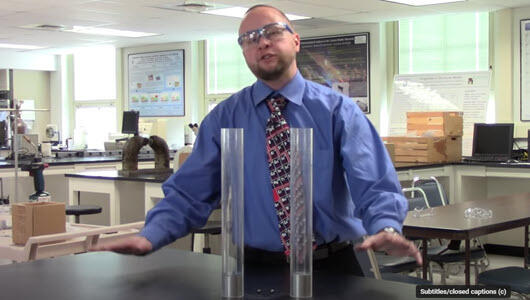
Video allows students to observe the behaviors of specific materials. Seeing the ball respond differently to materials which look alike illuminates the impact of underlaying structure, making it easier to grasp the concept. Even if the chemical structures involved were depicted in a drawing, the impact of the structures to dislocation in motion is not intuitive, so actually demonstrating the behavior helps us to understand and retain the concept.
Video-based asynchronous discussions are an excellent alternative, or addition to, text-based discussions. Video-based asynchronous discussions utilize an app to create a group discussion or sharing opportunity where students record short videos of themselves and respond to their peers' posts via video. Video discussions are very effective at creating social and teaching presence and increased collaboration.